

How Transparent LED Displays Add Nighttime Wow-Factor to Buildings?
- admin
- Transparent Screens
- 0 Comments
In the age of smart cities and the digital revolution, architecture and advertising intersect awe-inspiringly. The transparent LED screen is one of the most stunning breakthroughs at this intersection. These visionary marvels turn dull buildings into color-changing, sparkling icons—especially in the evening. From office towers and shopping complexes to hotels and cultural attractions, transparent LED screens are revolutionizing how buildings interact with their environments and enticing nighttime pedestrians.

What Are Transparent LED Displays?
A transparent LED screen is a digital screen mounted on glass surfaces like façades, windows, and curtain walls. Unlike conventional LED screens, the displays are transparent because light can filter through the screen while still being visible in and out of the building. This digital signage and architectural look are an advanced solution for building owners who need to enhance the building’s evening beauty while not giving up interior views or natural light.
The Nighttime Edge: Light, Movement, and Enchantment
As the sun sets and city lights begin to shine, crystal-clear LED screens come alive in ways traditional lighting systems only imagine. Their wizardry occurs after dark, transforming chilly glass surfaces into light, color, and movement masterpieces. Showing branding, art, or holiday messages, the signs offer a “wow factor” that is noticed and makes an impression.
Transparent LED displays enable dynamic content presentation, meaning skyscrapers can show videos, animations, and bright color graphics that are clear to view from a distance. This is especially effective at night when the contrast of the display against the black makes it even more noticeable and striking. The result? A lasting visual experience guaranteed to draw in-store traffic, Facebook likes, and brand awareness.
Integration with Architecture
One of the most significant reasons transparent LED screens are gaining popularity is that they integrate well into architectural designs. A transparent LED façade screen does not disrupt a building’s original appearance. Instead, it changes it for the better. The screen is typically installed behind glass panels, maintaining the structure’s sleek appearance during the day. The façade is turned into a spectacular light display at night without additional cumbersome hardware or visible equipment.
Architects and designers love transparent LED screens because they include a futuristic, modern aesthetic without compromising design integrity. From modern buildings to expensive constructions, these screens include a new level of interaction and storytelling that brings static buildings to life.
Energy Efficiency and Smart Control
Although transparent LED screens’ look is stunning, they are also designed to be power-friendly. Brightness sensors in most models regulate display intensity based on the light environment, keeping power consumption at a minimum. This keeps the screen as apparent as possible without being overpowering or distracting.
Apart from that, modern systems offer remote content management. Using cloud-based applications, advertisers or property owners can remotely manage and display content in real-time. With this, timely offers, emergency notifications, or themed displays can be presented without physically being on-site.
Use Cases and Applications at Night
1. Retail and Commercial Centers
Consumers use transparent LED displays to showcase products, specials, or interactive commercials. In the evening, these displays capture passersby and engage consumers well past static signage that is hard to see.
2. Hotels and Hospitality
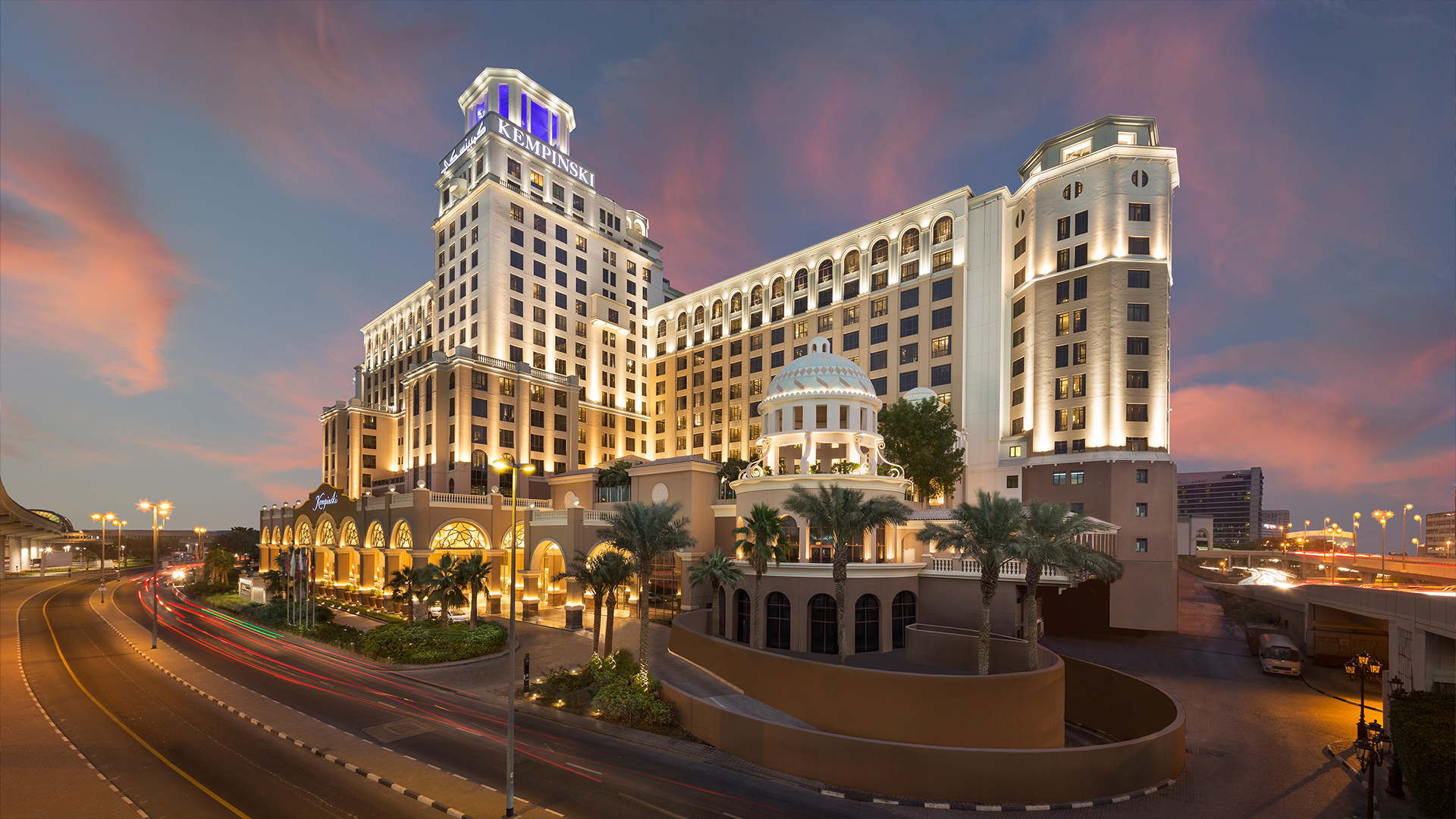
Hotels can display transparent LED façades to display welcome messages, events, or even computer-generated artwork. It gives a feeling of futurism and high-end that enhances the guest experience.
3. Corporate Buildings
Corporate structure branding gets progressively intricate and eye-catching with see-through LED screens. Logos, achievements, and event announcements can light up the night, making a business skyscraper a beacon of progress.
4. Cultural and Entertainment Venues
Museums, theaters, and sports stadiums now employ these screens to promote events, display schedules, or cast thematic images. Nighttime sees the display of light and content, delivering an immersive experience for the audience.
The Wow Factor in Urban Identity
Cities are now competing not only on infrastructure but also on visual identity. Take Times Square in New York or Shibuya Crossing in Tokyo—icons almost synonymous with stunning digital displays. Transparent LED technology unlocks a similar possibility in any city without turning buildings into billboards. Instead, it lets them be part of the city’s visual story, turning them into dynamic landmarks that reflect the moment’s culture, mood, or message.
A shopping mall or skyscraper glass LED façade screen can be a storytelling device—highlighting anything from national holidays and festivals to public service announcements or environmental campaigns. It is this storytelling aspect that creates emotional bonds and civic pride.
Long-Term Value and Versatility
Transparent LED displays are not just a stylistic novelty. They provide long-term advantages to building owners, property developers, and businesses through an added value unique selling proposition and increased customer engagement. The content flexibility—text, video, animation, or interactivity—allows them to adjust to evolving marketing needs without hardware upgrades.
From an investment perspective, the ability to monetize building façades with advertising or sponsored messages can also generate additional revenue streams. Visibility at night is critical, as people are out in entertainment districts and shopp

ing precincts.
Conclusion
The cityscapes of tomorrow are dynamic, interactive, and illuminated—and transparent LED screens are leading the charge. In contrast to other screens, these revolutionary displays are not merely content holders but makers of experience. At dusk, when much traditional architecture retracts into darkness, a transparent LED facade display radiates forth in the cityscape—captivating pedestrians, enhancing brand visibility, and redefining what it means for a building to “shine.”
Incorporating see-through LED technology isn’t just a matter of design—it’s a step towards modernity, interaction, and greatness. Whether you’re under commercial renovation or constructing a brand-new architectural marvel, consider how transparent LED screens can bring that memorable nighttime wow effect.
Recent Comments