Understanding the Lifespan and Maintenance of LED Facade Lighting
- admin
- LED Lighting
- 0 Comments
Introduction
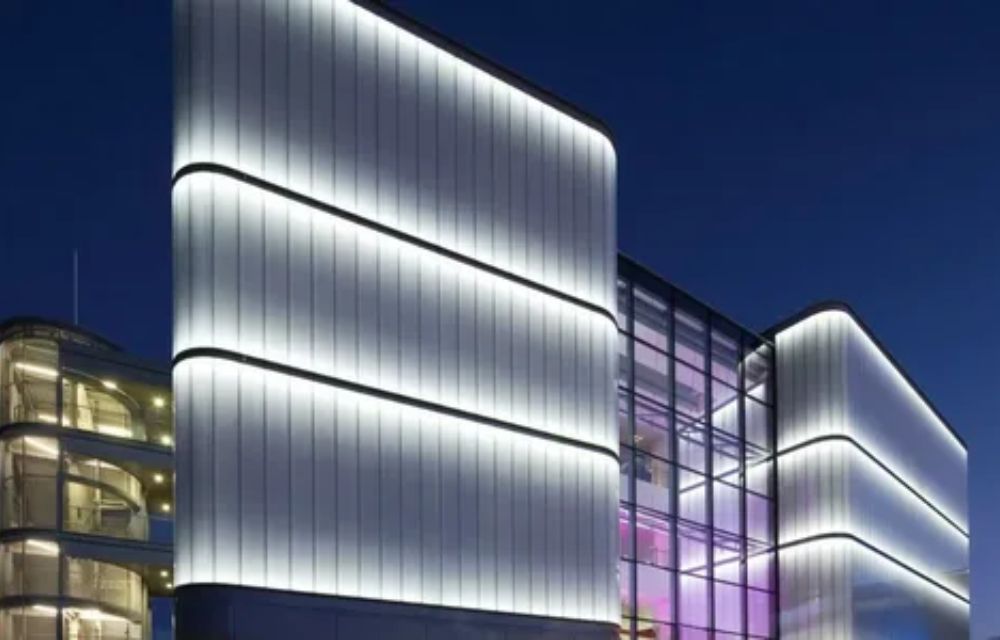
LED facade lighting is now a stamp of modern architecture, offering lighting and the capability to transform buildings into icons. Applied for aesthetic, branding, or utilitarian purposes, LED technology is the focus when building perspectives take center stage after dark. As cities strive to be more vibrant and dynamic, led building facade lighting is now the standard for commercial, residential, and public building construction. However, an understanding of the lifespan and maintenance of LED facade lighting is essential to obtain the most out of the investment in such installations.

The Typical Lifespan of LED Facade Lighting
Unlike traditional lighting systems such as halogen or fluorescent lighting, LEDs possess a far more extended lifespan. A quality LED light in facade systems can typically perform for around 50,000 to 100,000 hours. Under real-world conditions, if an LED lighting fixture is lit for 12 hours a day, it may last up to 20 years without needing replacement.
The longevity of LED building facade lighting depends on several factors, such as product quality, usage patterns, and environmental exposure. For instance, LEDs mounted in high-polluted environments, high-heat areas, or areas that remain constantly damp may decrease performance over time. However, LEDs are far more resilient and cost-effective in the long run compared to conventional systems.
Factors Affecting LED Lifespan
Though LEDs have a long lifespan, specific parameters can influence their actual lifespan:
- Thermal Management: LEDs are temperature-sensitive. Lack of proper heat dissipation may shorten their life significantly. Quality LED lighting typically includes built-in heat sinks or vents to manage this issue effectively.
- Power Quality: Voltage instability or poor-quality power may kill driver circuits of LED installations. A constant and stable power supply is required to support the longevity of facade light installations.
- Environmental Conditions: Harsh weather, high humidity, and salt air (especially in seashore environments) can impact fixture housing and LEDs. The use of fixtures with suitable IP ratings reduces such risks.
- Installation Practices: Poor installation can lead to premature failure. Proper installation to the manufacturer’s specifications is a critical process that ensures the longevity of LED systems.
- Usage Patterns: Abuse or overuse, i.e., frequent switching of lights ON/OFF, can cause stress to the electrical components, lowering the overall running life.
Maintenance Best Practices
While LED lighting systems are less maintenance-intensive than traditional lighting, regular inspection and maintenance are required to ensure consistent output and long life. Some of the optimal practices for LED building facade lighting maintenance are discussed below:
- Regular Cleaning: Lenses may be covered with dust, dirt, and other contaminants, reducing light output. Fixtures must be cleaned with proper non-abrasive materials for maximum brightness and visibility.
- Regular Check-Ups: Regular visual inspections help detect wear, discoloration, or damage. Such inspections usually detect loose connections or worn-out drivers in the early stages.
- Firmware and Software Updates: Many modern LED facade systems are either smart-enabled or lighting control-integrated. Regularly updating the control firmware or software guarantees optimal performance and compatibility with emerging features.
- Component Replacement: LEDs last long, but other components like drivers or controllers may have to be replaced. Having spare components on hand reduces downtime in case something fails.
- Check for Water Ingress: After a severe storm or rain, check the fixtures for water ingress. Even waterproof fixtures fail if the gaskets are compromised or installed improperly.
Cost vs. Benefit of Maintenance
The most appealing aspect of LED systems is their low maintenance requirements. However, without them, such advantages can be negated. Such as reduced light output when dust accumulates; for example, additional power will be used to compensate for it, negating energy savings. Similarly, taking no action against minor issues can lead to failure in the future.
It should be noted that the cost of regular upkeep is relatively low compared to repairs or replacement. Preventive maintenance maintains the lighting in optimal condition and protects the entire investment in building aesthetics and functionality.
Future Trends in LED Facade Lighting Maintenance
The future of LED building facade lighting is moving increasingly toward automation and predictive maintenance. With IoT (Internet of Things), modern light systems can alert facility managers of potential failures before they become complete problems. AI-driven monitoring systems can analyze data patterns to predict components’ failures and schedule service checks in advance.
In addition, self-cleaning systems and weather-resistant coatings are being developed to reduce human intervention further. These innovations will enhance the ease of use and reliability of facade lighting even under adverse conditions.

Conclusion
Understanding the life span and maintenance of LED facade lighting is at the heart of optimizing performance and cost-effectiveness. With correct installation, superb components, and a sound maintenance schedule, led building facade lighting can be a long-term, energy-saving solution to light and enhance buildings. LEDs have unmatched advantages in facade applications, from cutting down on environmental impact to reducing operational costs. As technology advances further, the future of facade lighting is brighter, smarter, and greener than ever before.

Recent Comments