
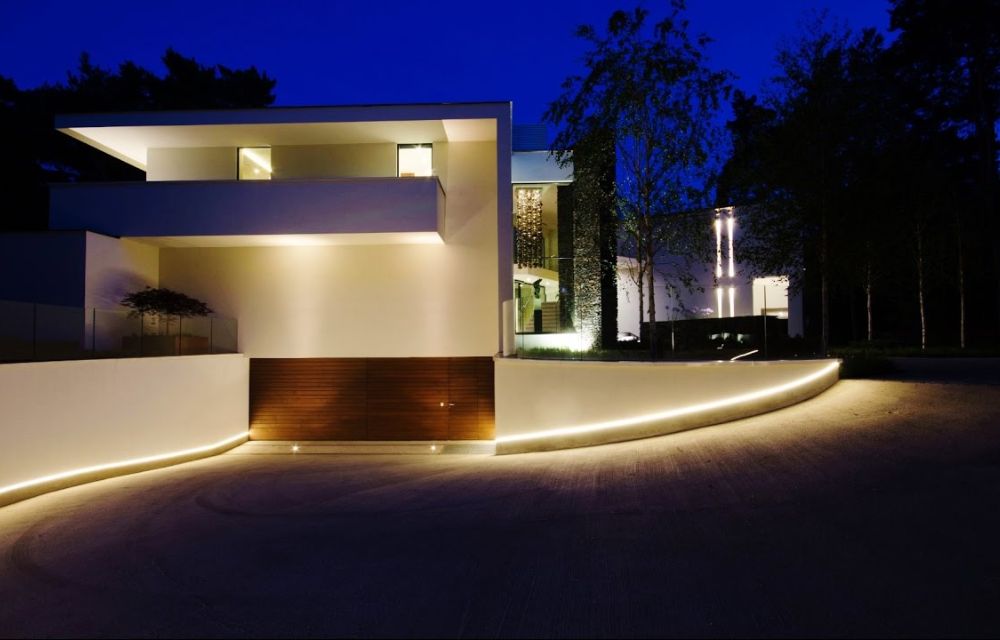
Things to Consider Before Installing Architectural Lighting in Dubai
- admin
- Architectural lighting
- 0 Comments
Architectural lighting enhances the visual appeal of buildings, monuments, landscapes, and interior spaces. In a city like Dubai, where architecture blends artfulness and luxury, proper lighting highlights design aspects and decides functionality and atmosphere. However, a few fundamental issues need to be considered before diving into the installation process of architectural lighting in Dubai. From climate and legislation to design goals and technology, knowing the fundamentals beforehand can save effort, cost, and time and give stunning results.
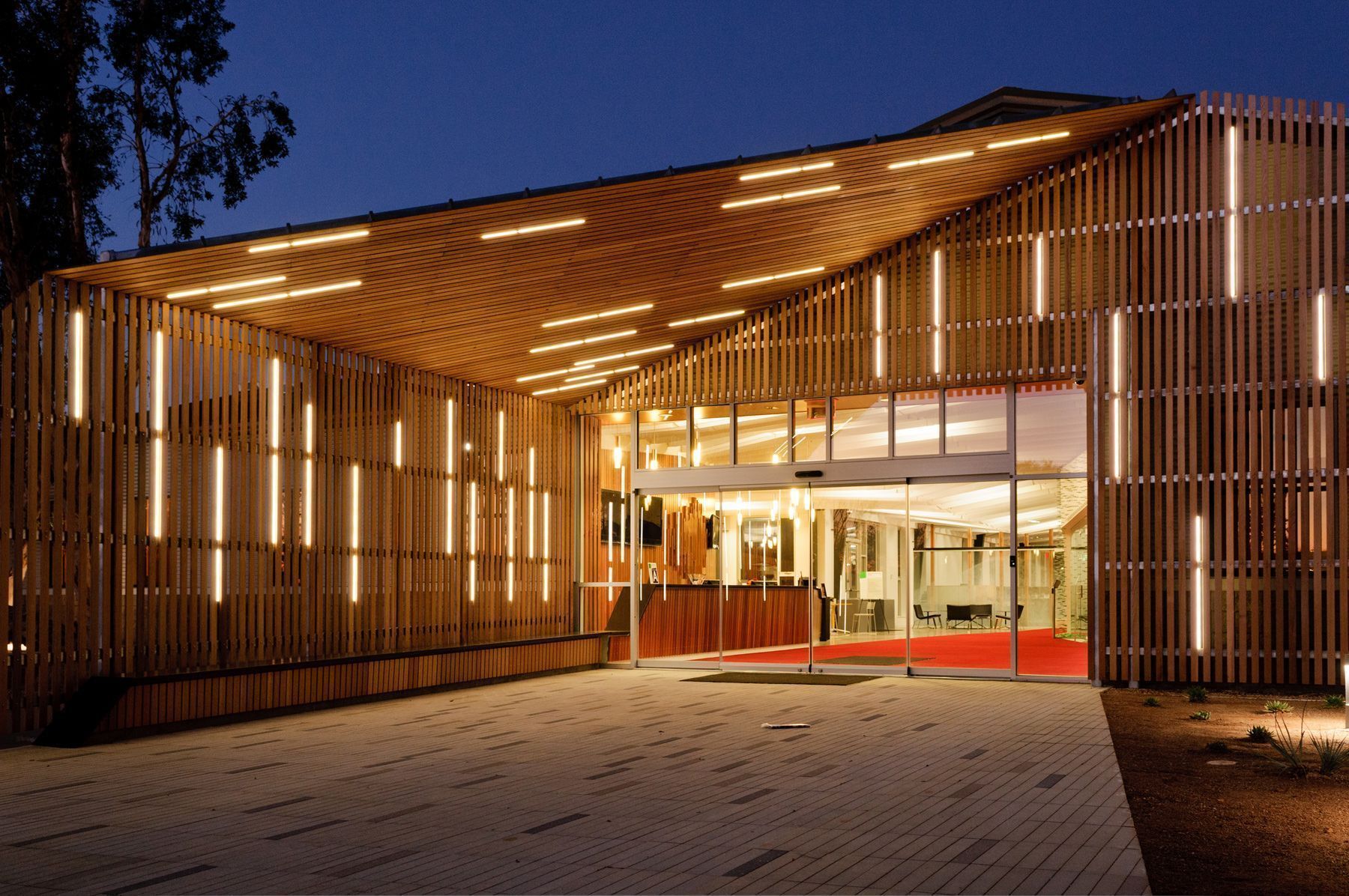
1. Be Aware of the Purpose of the Lighting
The first and most important step before installing architectural lighting is establishing its purpose. Are you trying to highlight the outside of a skyscraper, illuminate a walking pathway in a garden, set up mood lighting in an interior room, or draw attention to the façade of a commercial building? Different applications require different approaches to lighting. Accent lighting, for instance, is perfect for drawing attention to sculptures or architectural features, while task lighting is essential in the office. Understanding your lighting application will help you efficiently guide the design and installation process.
2. Consider Dubai’s Harsh Climate
Dubai’s hot and humid climate significantly impacts the choice of lighting fixtures and installation methods. The extreme heat, especially during summer, can damage low-quality materials or overheat systems, causing them to fail prematurely. Additionally, sand and dust are constant environmental factors in the region. Therefore, selecting lighting solutions rated explicitly for high temperatures, moisture, and dust resistance is a must. Look for products with high IP (Ingress Protection) ratings and corrosion-resistant materials.
3. Regulations with the Local Authorities
Before installing any architectural lighting in Dubai, familiarity with the local rules and regulations set up by Dubai Municipality and other authorities must be well understood and adhered to. These include providing safety standards, avoiding light pollution, and preventing disruption to the public. Specific permissions or approvals may be required depending on the nature of your property—whether it’s residential, commercial, or industrial. Hiring a consultant or lighting expert familiar with Dubai’s building codes can help streamline the approval process and avoid costly legal issues.
4. Energy Efficiency and Sustainability
Sustainability is becoming increasingly important in urban planning and development. Dubai promotes energy-efficient practices through initiatives like the Dubai Clean Energy Strategy 2050. Consider using LED lights, intelligent lighting controls, and sensors that optimize energy consumption when planning your architectural lighting. This aligns with Dubai’s sustainability goals and helps reduce electricity bills and long-term maintenance costs. Many lighting manufacturers offer green-certified products that combine aesthetics with efficiency.
5. Integration with Architectural Design
Lighting should be harmonious with the overall architectural design, not overpowering it. Because architecture in Dubai often tends to be daring and groundbreaking, the lighting design has to be well-integrated into the structure. Light designers, architects, and engineers must collaborate and give a balanced synergy of form and function. This integration must be planned early to avoid expensive future modifications. Hidden fixings, directional lighting, and color temperature choices can all impact how the architecture is perceived.
6. Highlight Light Quality and Control
Although good design is essential, quality of light is vital as well. Color rendering index (CRI), beam angle, and dimming all play an important role in achieving the desired visual impact. Quality lighting can drive consumer behavior and brand perception in commercial or retail applications. In residential applications, it drives comfort and mood. Incorporating intelligent control systems such as dimmers, motion sensors, and programmable schedules can improve user experience and effectiveness.
7. Budget and Long-Term Maintenance
Architectural lighting is a long-term investment, and balancing aesthetics with practicality is vital. Determine your budget early and plan accordingly, considering that quality lighting systems may have higher upfront costs but will offer better performance and durability. Also, consider the maintenance needs of your installation. Some systems may require regular cleaning, calibration, or part replacement, especially in Dubai’s dusty environment. Choosing reputable brands and professional installers can minimize future hassles.
8. Safety and Electrical Issues
Safety should never be ignored in Dubai architectural lighting installation. All installations should adhere to electrical codes and standards. Waterproofing, grounding, voltage levels, and surge protection should be addressed in planning and installation. Professional electricians should install any outdoor light to avoid the risks of electrical failure, firebreak, or accidents from improper installation.
9. Visual Beauty and Brand Character
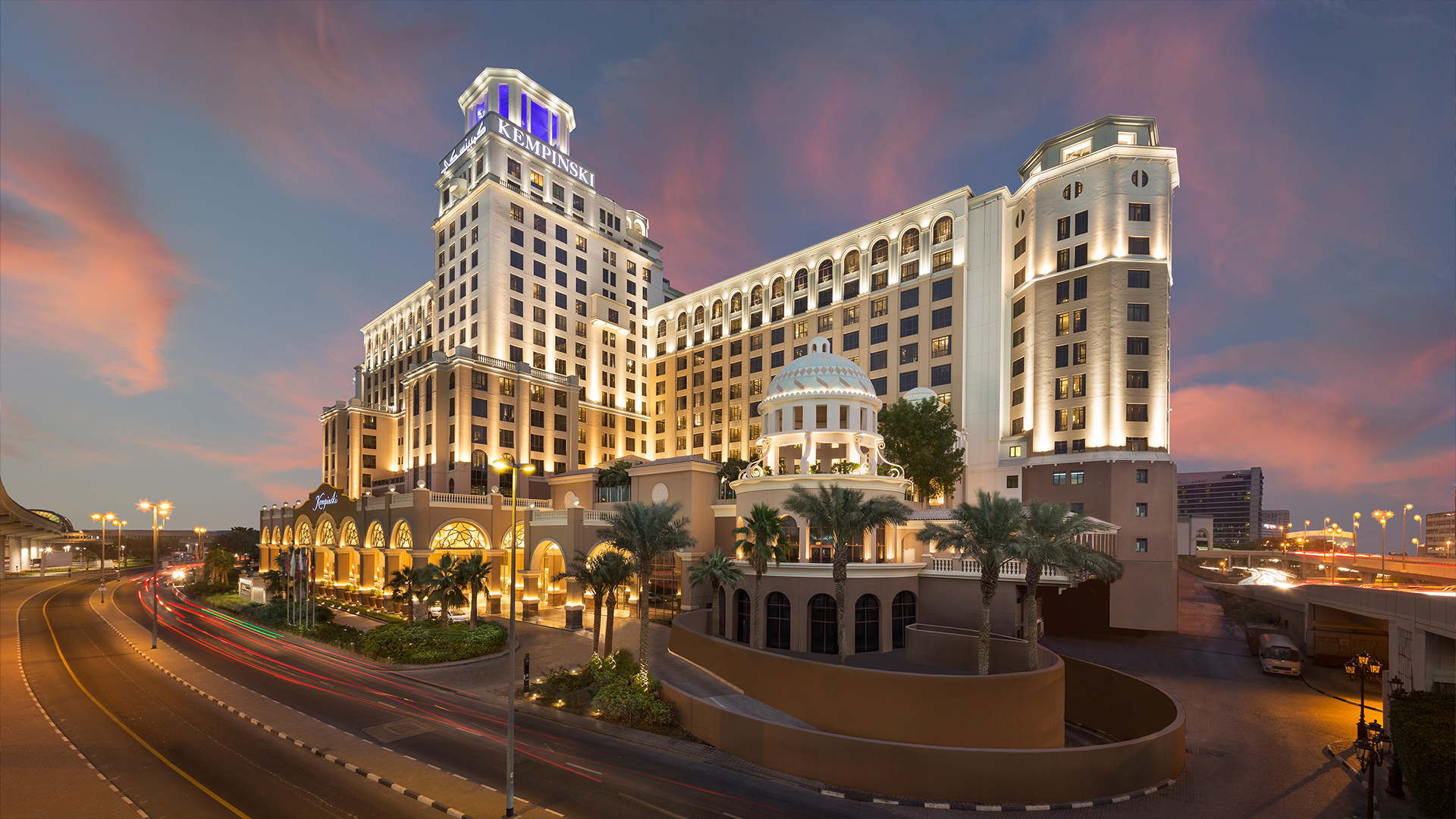
Dubai has some of the most mythical buildings in the world, and architectural lighting typically plays a starring role in creating their visual character. Depending on what you’re building, consider how the lighting reinforces your brand or your sense of style. Colors, patterns, dynamic lighting, and themed lighting can all communicate and provide dimension to your property’s image. A well-lit exterior will attract customers and make a commanding first impression for businesses.
10. Collaborating with the Proper Experts
Finally, the successful deployment of architectural lighting relies on a professional team. Employ lighting consultants or architects with expertise in architectural lighting in Dubai and an understanding of the region’s unique challenges and opportunities. They can help with site analysis, lighting simulations, fixture selection, and compliance documentation for trouble-free and successful projects from planning through completion.

Conclusion
Adding lighting to the architecture of Dubai is more than just selecting fixtures and turning the key—it’s a precise art that takes artistry, technology, and compliance with regulations. Each step matters, from establishing your lighting goals and selecting weather-resistant components to compliance with rules and combining design and function. As Dubai’s distinctive architectural landscape and natural features require, a well-designed lighting system can dramatically enhance your property’s visual impact, energy efficiency, and worth. With careful consideration of the following and consultation with renowned professionals, you can transform your architectural concept into a luminous reality.

Recent Comments