

How to Match Facade Linear Lights with Architectural Materials?
- admin
- Linеar Lighting
- 0 Comments
In modern architectural design, lighting is no longer an afterthought but a significant factor in how buildings are perceived and experienced, especially after nighttime. Facade linear lights have emerged as a powerful tool in architectural lighting, providing sharp lines of light that highlight a building facade’s shape, texture, and rhythm. However, to fully unlock a space’s aesthetic and functional capabilities, it is essential to combine facade linear lights with the right architectural materials. This synergy creates visual value and ensures performance, durability, and design harmony.
In this blog, we talk about combining facade linear lights with architectural materials in a way that works, offering an understanding of various combinations, design considerations, and practical tips.
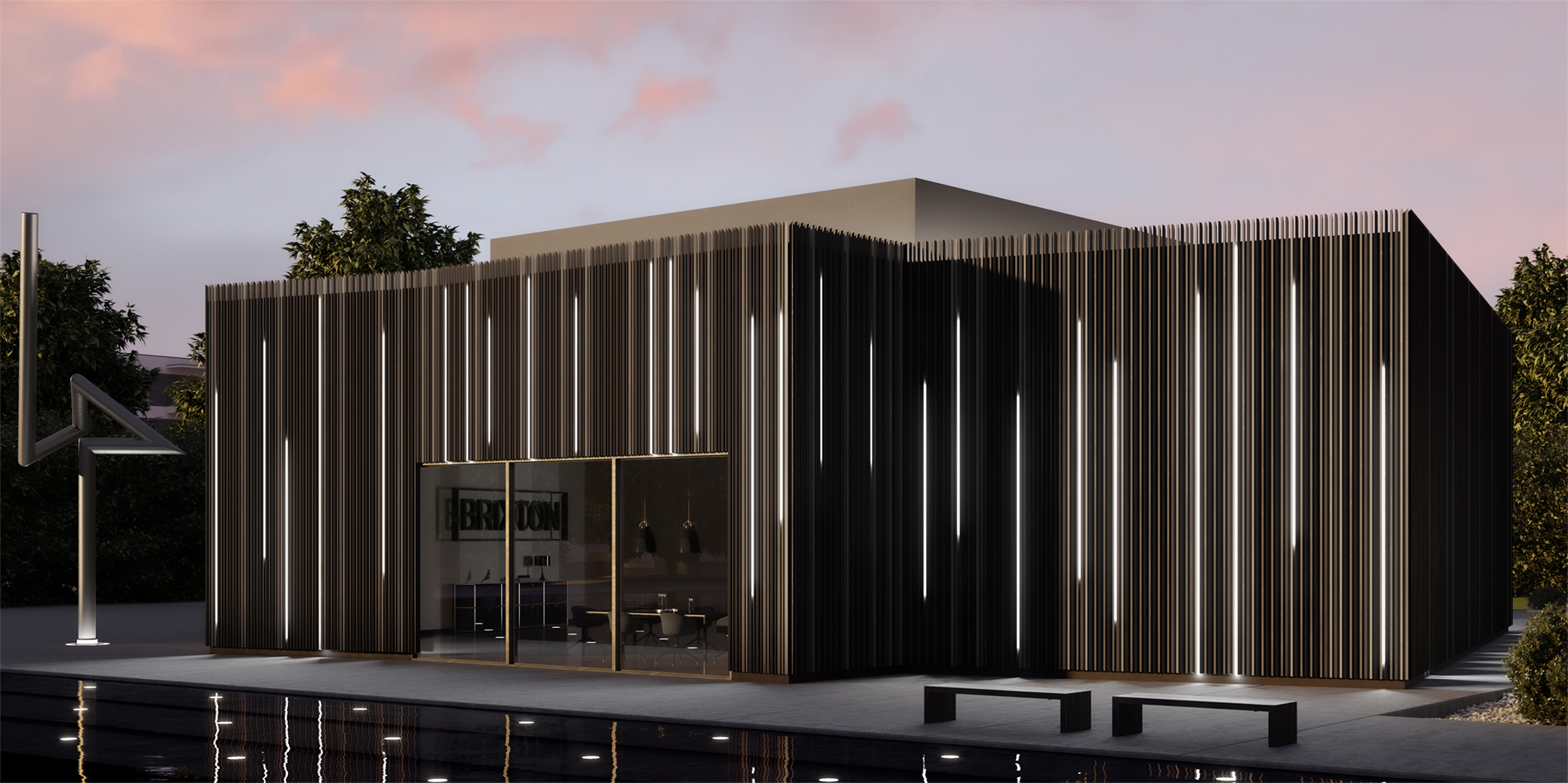
Understanding Facade Linear Lights
Before diving into material compatibility, it’s good to understand what facade linear lights are. These are slim, linear luminaires designed to be mounted parallel to architectural lines, highlighting facades with uniform and precise lighting. They’re commonly mounted on commercial buildings, cultural landmarks, retail stores, and modern residential complexes. They can be recessed, surface-mounted, or integrated directly into the building.
The versatility of facade linear lights accommodates a wide range of design approaches—from subtle ambient lighting to more explicit, color-changing installations. Becoming part of the building materials, however, requires forethought.
Primary Considerations in Matching Facade Linear Lights
1. Material Texture and Reflectivity
Each architectural material absorbs and reflects light differently. For instance:
- Glass: Reflective surfaces like glass can create glare. Therefore, facade linear lights used on glass facades must have anti-glare optics or be installed at angles to reduce direct reflection.
- Concrete and Stone: These diffuse surfaces scatter light well and react nicely to warm, indirect light that highlights their natural textures.
- Metal Panels: Aluminum or steel metals tend to reflect light harshly. Using diffused or frosted lens covers for facade linear lights will soften the reflection and prevent harsh glare.
2. Color Temperature Compatibility
Facade linear lights come in varying color temperatures, ranging from warm (2700K) to cool (6000K) white. The architectural material determines which color temperature creates the most appealing look.
- Warm White (2700K–3000K): Complements brick, wood, and terracotta materials and provides warmth and coziness.
- Neutral White (3500K–4100K): Compatible with concrete, plaster, or composite materials for modern designs.
- Cool White (5000K–6000K): Compatible with glass, steel, and other modern materials to accentuate sleekness and modernity.
3. Installation Techniques and Material Compatibility
The installation method depends on the structural strength and make of the architectural material.
- Recessed Mounting: Perfect for concrete or drywall. It provides a flush, integrated appearance.
- Surface Mounting: Suitable for almost all surfaces, such as brick, wood, and metal, but needs brackets or mounting tracks.
- Suspended or Framed Mounting: Best for decorative panels or ventilated facades where direct mounting isn’t possible.
Ensure the selected lights and mounting methods do not weaken the building material’s integrity or breach building regulations.
Matching Special Materials with Facade Linear Lights
1. Glass Facades
Use facade linear lights with backlight or edge light effects for glass buildings. They minimize glare and create a trendy glow effect. RGB or RGBW color-changing linear lights can turn glass into an active canvas at night.
2. Stone and Brick
Uneven, rough surfaces like stone and brick are perfect targets for grazing light—where the linear light is placed near the surface to accentuate texture. Warm white hues complement the earthy, deep tones of these materials.
3. Wood Panels
Wood is complemented by warm-toned lighting that brings out its natural grain. Surface-mounted facade linear lights with a dimming feature offer versatility based on the tone of the wood and its surroundings.
4. Metal Cladding
Metal surfaces are prevalent in modern architecture. Use linear lights with high CRI (Color Rendering Index) to accurately reveal the material’s color and sheen. Anti-glare diffusers are required to prevent reflections that are too sharp.
5. Concrete
Exposed concrete looks stunning under neutral to cool white light. Linear facade lights can be recessed into pre-cast forms or surface-mounted to create lines of light that augment the minimalist style.
Practical Design Tips
- Balance Light and Shadow: Avoid over-lighting. Facade linear lights should enhance, not dominate, architectural elements.
- Plan for Maintenance: Choose IP-rated (Ingress Protection) fixtures that match the exposure of your materials, especially in outdoor installations.
- Coordinate with Other Lighting Elements: Facade linear lights must harmonize with landscape lighting, signage lighting, and interior light spill.
Sustainability and Energy Considerations
Modern facade linear lights are generally LED-based, energy-saving, and long-lasting. When selecting lights, ensure that they are adaptable to green building materials. Opt for lights with intelligent control and dimming features for adequate energy consumption.

Conclusion
Matching facade linear lights with architectural materials is both an art and a science. It entails understanding the physical and visual properties of the materials and choosing lighting that will enhance their aesthetic and functional roles. Proper coordination can transform a building into a nighttime masterpiece, whether illuminating glass towers or historic brick structures.
Architects and designers can create integrated, dramatic facades that resolve both form and function by considering texture, color temperature, reflectivity, and mounting considerations. So, the next time you’re designing a facade, let the building materials guide your lighting choices—and let facade linear lights do the talking once the sun sets.

Recent Comments