
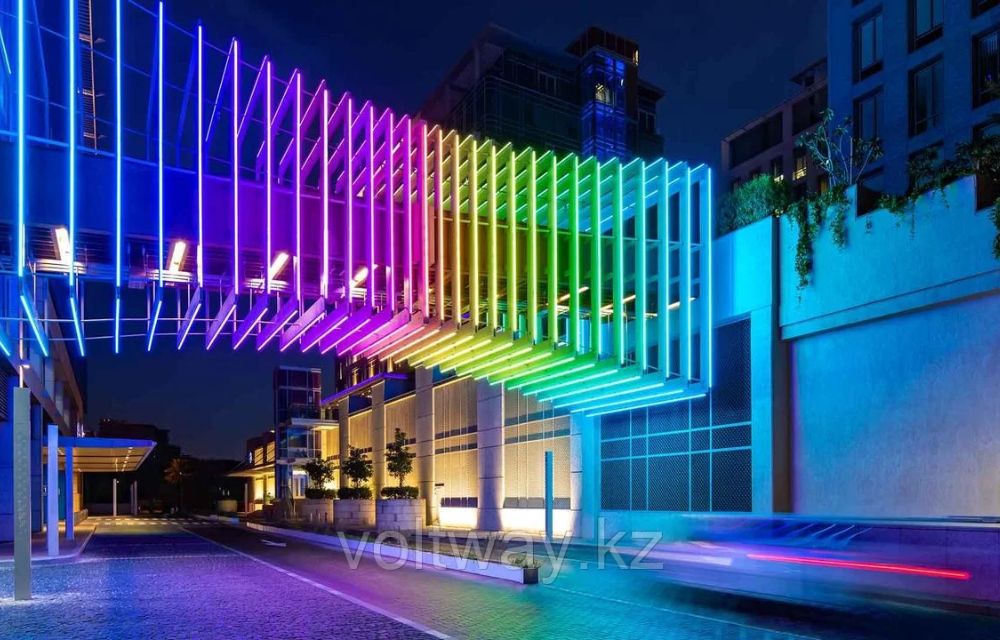
How Does LED Facade Lighting Contribute to Energy Efficiency?
- admin
- LED Lighting
- 0 Comments
In contemporary architecture, lighting is a key element that beautifies buildings and facilitates functionality. One of the most influential innovations in this area is LED facade lighting. Cities compete to be greener and energy-efficient, and the technology behind LEDs is leading the charge. But beyond visual beauty, an important question is: How does LED facade lighting aid energy efficiency? This blog discusses the energy-saving advantages of LED facade lighting and why it has become the go-to solution for building exteriors worldwide.
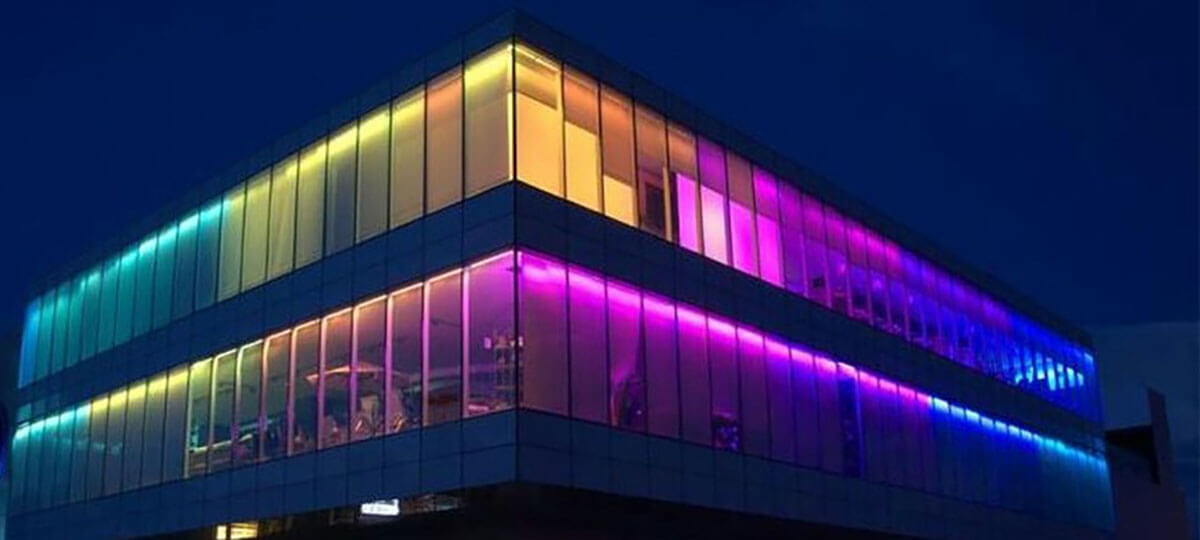
Introduction to LED Facade Lighting
LED facade lighting is a term used to describe the use of light-emitting diodes (LEDs) to illuminate the exterior faces of buildings. This form of lighting is utilized for diverse reasons—highlighting architectural elements, drawing attention to logos or brands, and furthering the mood of urban places. LED facade lighting is an energy-efficient and longer-lasting option compared to conventional lighting systems, which use heavy amounts of electricity and have shorter operating times. It’s a new-age solution for buildings that want to stand out while reducing electricity expenditures and carbon footprints.
Less Energy Usage
One of the significant benefits of LED facade lighting is that it has lower energy usage than traditional lighting systems. LEDs consume up to 80% less power than incandescent or halogen lights. LEDs convert more electrical energy into visible light rather than wasting it as heat. For large commercial buildings or city landmarks that keep their facades illuminated for long hours—sometimes all night—this translates to substantial savings on energy costs.
In architecture and urban planning, sustainability is now a priority. Building owners and cities always seek methods to save energy without sacrificing design. The use of LED facade lighting effectively strikes this balance.
Increased Lifespan Saves Energy on Maintenance
LEDs last 25,000 to 50,000 hours or more, much longer than conventional light sources. Not only does this translate into fewer replacements, but it also means less frequent use of maintenance equipment, which uses energy. The energy and labor saved are significant in high-rise buildings and complex installations, where access to lighting fixtures involves mechanical lifts or scaffolding.
Additionally, the longer lighting lifespan also means there will be less carbon footprint in manufacturing, transporting, and installing the replacement lights. In this sense, LED facade lighting helps both directly and indirectly to save energy.
Intelligent Lighting Controls and Automation
The second way LED façade lighting facilitates energy efficiency is with compatibility with intelligent controls and automation systems. Such light systems can be preset to dim or brighten based on the time of day, season, or the level of natural light. They may also be motion-sensitive or set to switch off during low pedestrian or vehicular traffic hours.
With IoT (Internet of Things) and smart city infrastructure, building facades can react in real time to external conditions. This dynamic lighting system reduces unnecessary energy consumption while keeping the building vibrant and attractive.
Directional Lighting and Less Light Pollution
Conventional light sources tend to give off light in all directions and thus need reflectors and diffusers to steer it in the direction required. This wastage of energy and source of light pollution is not seen with LEDs, which produce light in one direction and use less equipment, delivering light precisely where needed.
By minimizing light spills and glare, LED facade lighting reduces unnecessary energy usage and improves time visibility without over-illumination. This is especially significant in high-density urban areas where light pollution is becoming increasingly problematic.
Sustainable Materials and Eco-Friendly Design
LED lights are usually manufactured using recyclable and less toxic materials than regular lighting that contains mercury or other harmful chemicals. As part of LED facade lighting, which is sometimes promoted or mandated as part of green building certification such as LEED (Leadership in Energy and Environmental Design), LED energy efficiency is not merely about electricity consumption but also sustainable lifecycle management. From installation and manufacturing to operation and disposal, LED systems surpass conventional lighting solutions in environmental friendliness.
Cost-Effective in the Long Run
Though the upfront cost of mounting LED facade lighting might be more than that of traditional lighting schemes, the payoff is tremendous. Lower utility bills, fewer maintenance requests, and extended periods of operation make LEDs much cheaper in the long run.
This cost savings attracts additional building owners, developers, and municipalities to invest in LED systems. It also assists in achieving broader energy efficiency objectives, including decreased reliance on fossil fuels and reduced greenhouse gas emissions.

Applications in the Real World
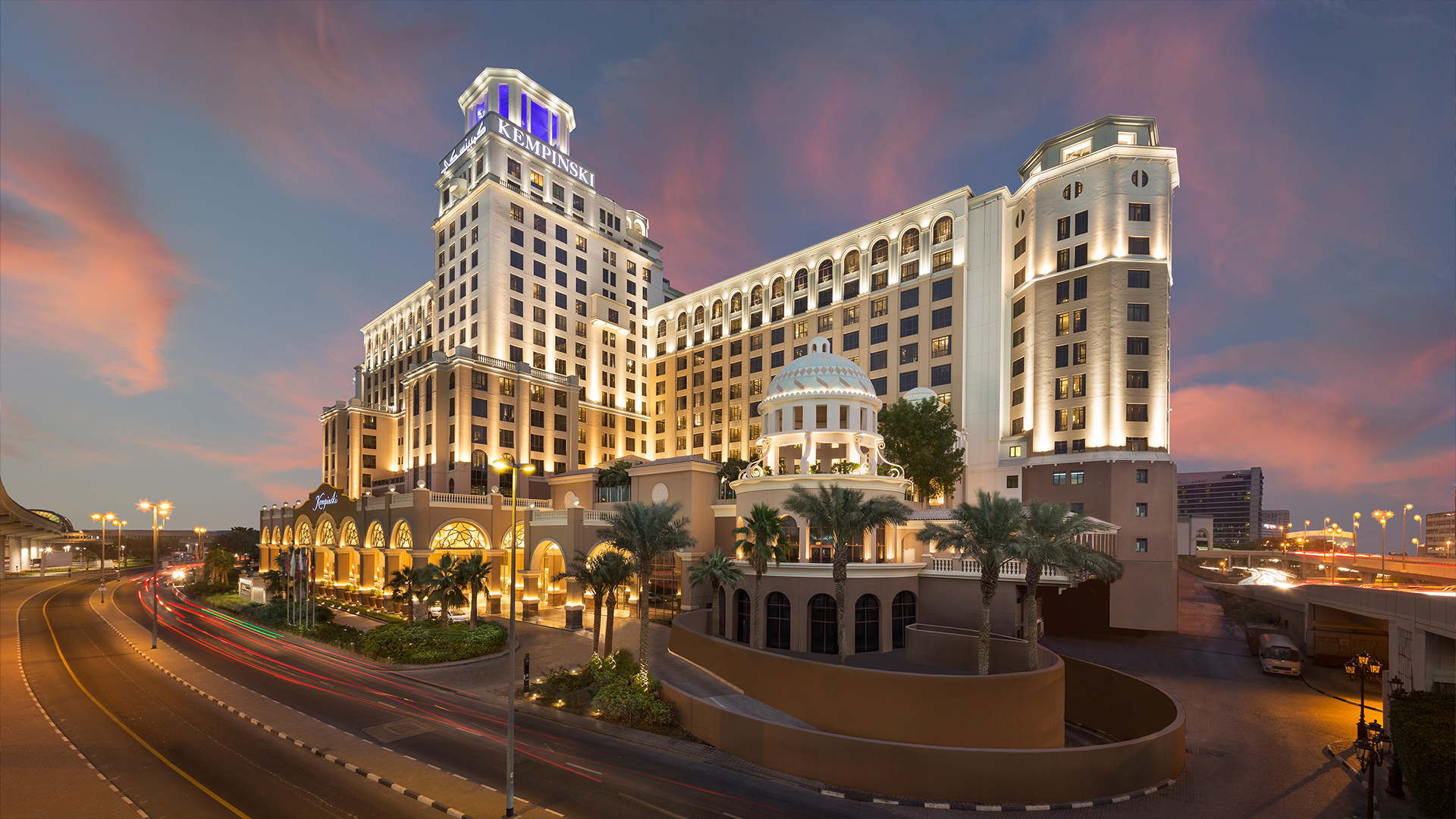
Cities worldwide are adopting LED facade lights to revolutionize their skylines while saving energy. Landmark buildings, shopping centers, hotels, and even government buildings employ LED lights to become more environmentally friendly. Some of the best examples include numerous skyscrapers in Dubai, Singapore, and New York that have transitioned to dynamic LED facades, which adjust according to various themes and events—without shooting up electricity usage.
Whether lighting up a hotel to lure tourists or lighting up a museum to boost cultural attractions, LED technology allows visual objectives to be achieved without undermining energy efficiency.

Recent Comments