
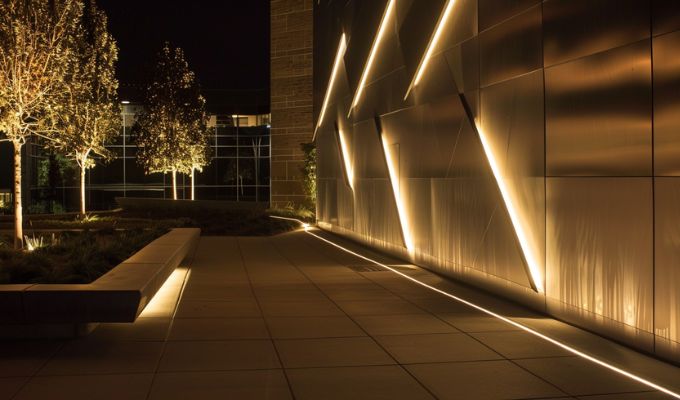
Balancing Aesthetics and Budget in Architectural Lighting Design
- admin
- Architectural lighting
- 0 Comments
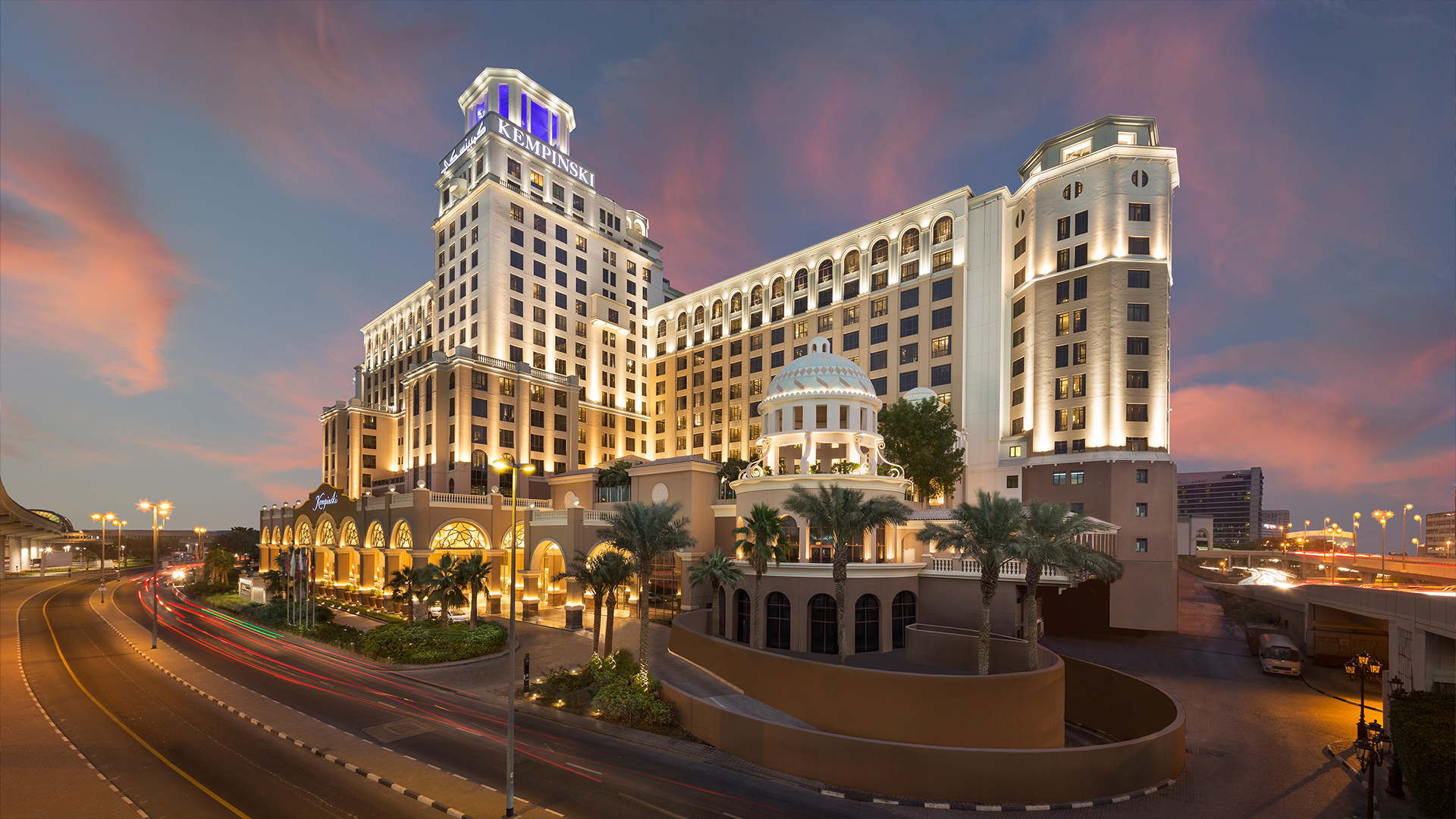
In design and building, architectural lighting is significant in establishing space perception and experience. From providing visual comfort and emphasizing architectural detail to creating mood and atmosphere, lighting is a functional necessity and an aesthetic tool. However, designers and clients usually face the challenge of achieving visual beauty without exceeding budget constraints. It requires cautious planning, product know-how, and creative thinking to balance aesthetics and budget in architectural lighting design so that functionality and beauty coexist.
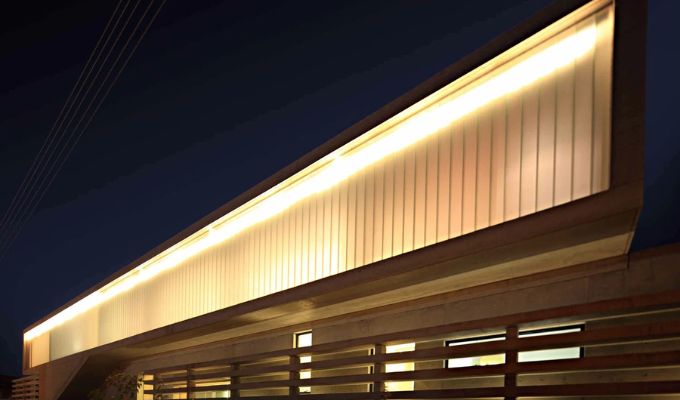
The Importance of Architectural Lighting
Architectural lighting is not just light—it carves out space, influences human behavior, and offers a signature touch to a building. Effective lighting design can highlight texture, add depth to a flat plane, and draw attention to architectural elements like columns, arches, or works of art. It is essential in retail, hospitality, residential, and commercial spaces to create engaging, inviting, and productive spaces.
But these creative goals often encounter a practical foe: the budget. The cost of high-end lighting systems, control systems, fixtures, and installation can add up quickly, especially when upscale aesthetics are the focus. The question is: is it possible to create a dramatic visual impact and stay within budget? The answer is yes, through a well-designed plan.
Begin with a Strategic Lighting Plan
Having a solid, well-documented lighting plan is the secret to budget and aesthetics balance. That is, identifying each space’s purpose and understanding how the lighting will support that purpose. Task lighting in a kitchen or office differs dramatically from ambient lighting in a hotel lobby.
Designers can invest the budget by determining areas where architectural lighting will be most effective. Prioritizing lighting zones avoids wastage and ensures that funds are being spent where they are needed most—both aesthetically and practically.
Be Open to Layered Lighting
Layered lighting is a technique that employs multiple types of lights—ambient, task, and accent—to generate visual interest and flexibility. Rather than relying on one costly fixture to do it all, applying multiple layers at low costs can achieve the same visual effect at a fraction of the cost.
For example, recessed LED downlights for ambient lighting, task lighting by pendant lights, and budget strip lighting to accentuate architectural features can give a high-end appearance without a whopping cost. The secret is knowing where parts of the house require top-shelf treatment and how to apply cheaper substitutes.
Innovative Use of Lighting Technology
Technology has profoundly revolutionized the world of architectural lighting. LED lighting, in particular, has revolutionized the look of the industry through energy efficiency, longevity, and a precipitously falling cost. LEDs come in an extensive range of color temperatures and designs and can be fitted into traditional and contemporary settings.
Lighting controls, such as dimmers, motion sensors, and programmable systems, enhance aesthetics by making dynamic lighting schemes possible. While innovative lighting systems will cost more initially, extended energy savings and reduced maintenance can offset these expenses, ultimately helping in budget balancing.
Use Versatile and Modular Fixtures
Utilizing multifunctional and modular lighting fittings can significantly reduce installation and material costs. Multifunctional fittings employed in several environments or even those with several functionalities are excellent value for cash.
Track lighting, for example, provides direction and beam angle flexibility, so it is well suited to always-changing displays or multi-use spaces. The versatility translates into fewer future modifications, which save future money and maintain the area aesthetically appealing long-term.
Material Selection and Design Efficiency
Aesthetic value in architectural lighting doesn’t have to come with luxury materials. Most manufacturers produce affordable fixtures that replicate the appearance and feel of upscale products. Designers can stretch their lighting budget considerably by choosing finishes and materials that match the intended look but are less expensive.
Design efficiency is also at work. Simplifying fixture design, reducing the need for luminaires, or integrating light into building members (such as coves or recessed channels) can be cost-saving while being elegant. Design efficiency usually works its way through to reduced installation, labor, and maintenance costs.
Work with All the Stakeholders Early
The most effective way of balancing budget and aesthetics in architectural lighting design is through active, early collaboration. Lighting designers, electrical engineers, architects, and clients must collaborate from the project onset to discuss goals, expectations, and limitations.
Early coordination saves costly revisions, such as redesigns or fixture substitution. It also allows for better coordination in integrating lighting into architectural components such that retrofitting costs are kept low and conflicts between aesthetics and efficiency are eliminated.
Value Engineering Without Sacrificing Design
Value engineering is often viewed as a short-cutting design at the expense of the economy. However, if applied wisely, it is a powerful tool in architectural lighting. It is feasible to achieve more economical solutions without short-changing the design intent by reevaluating materials, sources, and mounting methods.
For example, a nearby supplier might provide the same look for less instead of specialty fixtures imported from other places. Instead of cutting lighting across the board, minor adjustments like reducing the wattage of fixtures or replacing them with stock models can make significant differences.
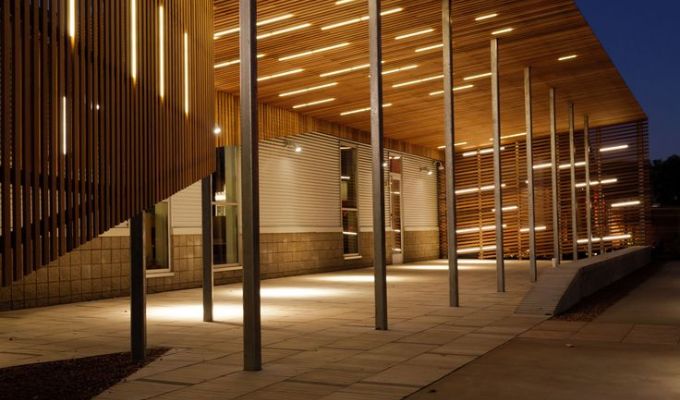
Final Thoughts: Finding the Right Balance
Strategy, not sacrifice, allows for balancing budget and beauty in lighting design for architecture. With planning, intelligent technology, relative prioritization of areas of visual effect, and collaborative design, it is possible to achieve cost-effectiveness and beauty.
Finally, architectural lighting aims to optimize the constructed environment—its optimum being the optimum resulting from the building under limited financial resources. Where creativity is allied with economic planning, the result is a space that looks excellent, operates flawlessly, and is within resource limits.
Whether you’re designing a luxury hotel, a retail store, or a modern home, the principles of innovative lighting design remain the same. Balance is key—and with thoughtful choices, architectural lighting can be breathtaking and budget-friendly.

Recent Comments