
How Does Club Lighting Influence the Mood of a Venue?
- admin
- club lighting
- 0 Comments
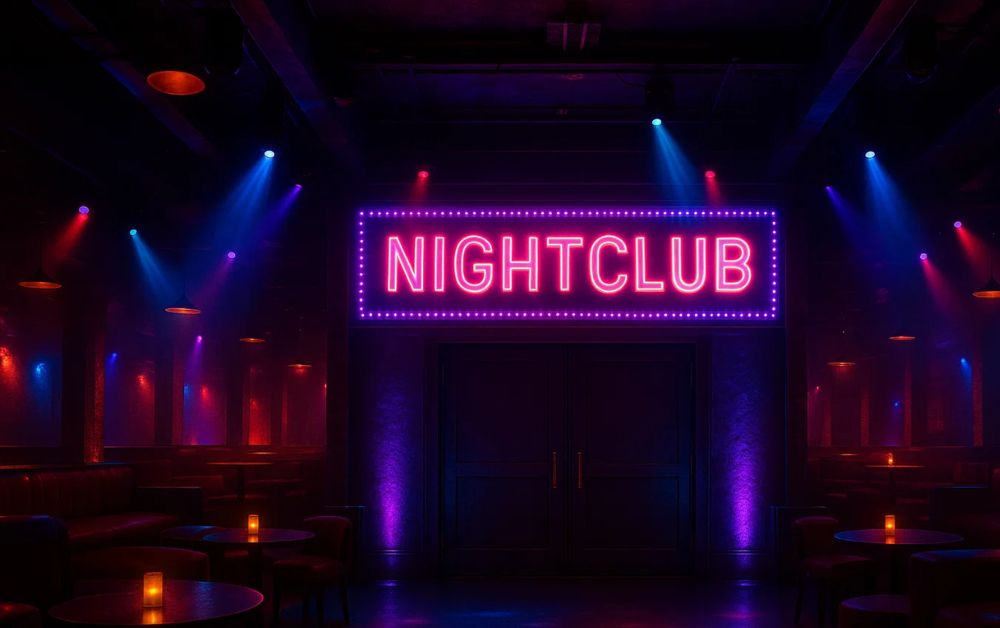
In the world of nightlife, ambiance is everything. From the moment guests walk into a club, their first impression is shaped not only by the music and the crowd—but by the lighting. Effective club lighting can energize a room, create intimacy, highlight architecture, and even guide movement on the dance floor. It is one of the most powerful tools for defining the mood and experience of a venue.
Whether you’re designing a new club or upgrading an existing space, understanding how lighting influences mood is essential for creating a venue that people return to night after night.
Setting the First Impression
Before a beat drops or a drink is poured, lighting sets the tone. A dramatic entrance with coordinated lights can make guests feel like they’re entering a high-energy, immersive world. Dimly lit corridors, colored uplights, or laser effects all contribute to this initial impression.
Why it matters:
First impressions are emotional. Lighting that stirs curiosity or excitement gets patrons into the mood before the party even begins.
Defining Zones Within the Venue
Most clubs include various spaces—dance floors, lounge areas, VIP sections, and bars. Lighting helps define these zones without the need for physical barriers.
Examples:
- Dance floors often use strobe lights, lasers, and moving heads to energize the space.
- Lounges benefit from soft, ambient lighting to promote relaxation and conversation.
- Bars may use accent lighting to highlight bottles or signage.
Lighting transitions between areas can signal shifts in mood and purpose, helping guests navigate the space naturally.
Enhancing the Music Experience
Lighting and music go hand in hand. When the lights are synced with the rhythm and tempo, the sensory connection intensifies. Pulsing strobes, slow color fades, or dramatic blackouts can all heighten the emotional journey of a set.
Impact:
- Reinforces drops and builds in the music.
- Deepens crowd engagement and energy.
- Creates memorable “wow” moments that guests talk about.
In short, dynamic lighting transforms music into an immersive experience.
Shaping Emotional Atmospheres
Colors and brightness levels are key emotional drivers. Each shade carries psychological associations that can deeply affect mood.
Common lighting moods and their meanings:
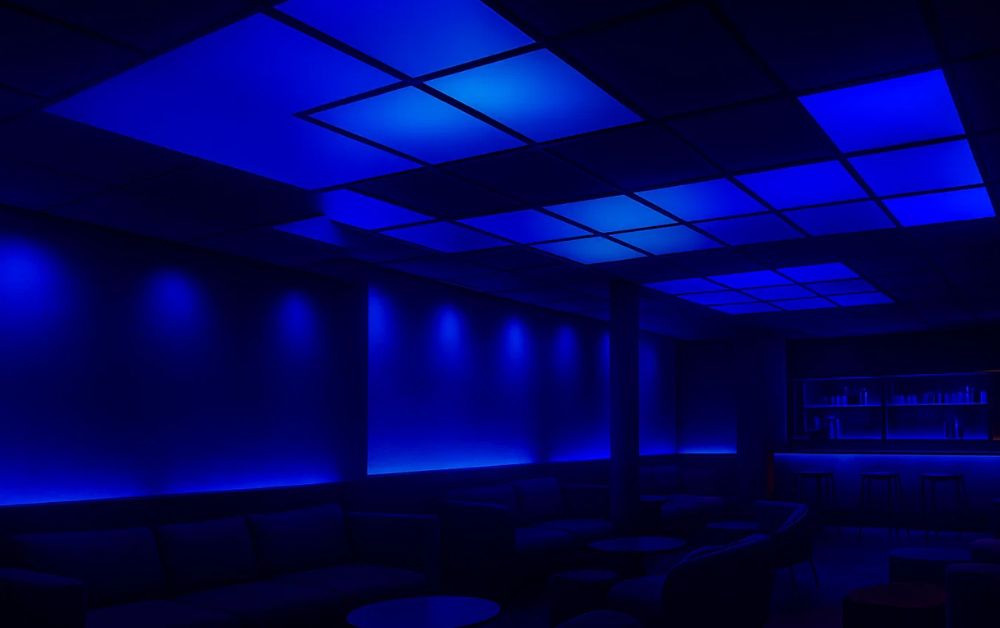
- Blue lighting: Calming, cool, mysterious.
- Red lighting: Passionate, bold, intense.
- Green lighting: Fresh, vibrant, edgy.
- Purple lighting: Luxurious, creative, dreamlike.
- White or amber lighting: Elegant, minimal, neutral.
By carefully choosing color schemes, clubs can create different emotional environments depending on the event, theme, or target audience.
Encouraging Social Interaction
While loud music is a staple of clubs, lighting helps facilitate human connection. Well-lit lounges or bar areas invite conversation, while moodier dance floors allow for freedom and anonymity.
Balance is key:
- Bright enough to see faces and read menus in social zones.
- Dim enough on the dance floor to let guests feel uninhibited.
Strategic lighting design encourages people to move, mingle, and stay longer.
Directing Focus and Movement
Lighting isn’t just about ambiance—it’s also functional. It guides attention and directs the flow of people throughout the club.
How it helps:
- Spotlights on DJs or performers draw crowd focus.
- LED strips along pathways or stairs ensure safe movement.
- Lighting changes can subtly encourage patrons to migrate between areas as the night progresses.
Good lighting creates intuitive movement and keeps the energy flowing across the venue.
Creating Shareable Moments
In the age of social media, visual appeal matters more than ever. Unique lighting setups give guests a reason to pull out their phones and start sharing.
Lighting that works for the camera:
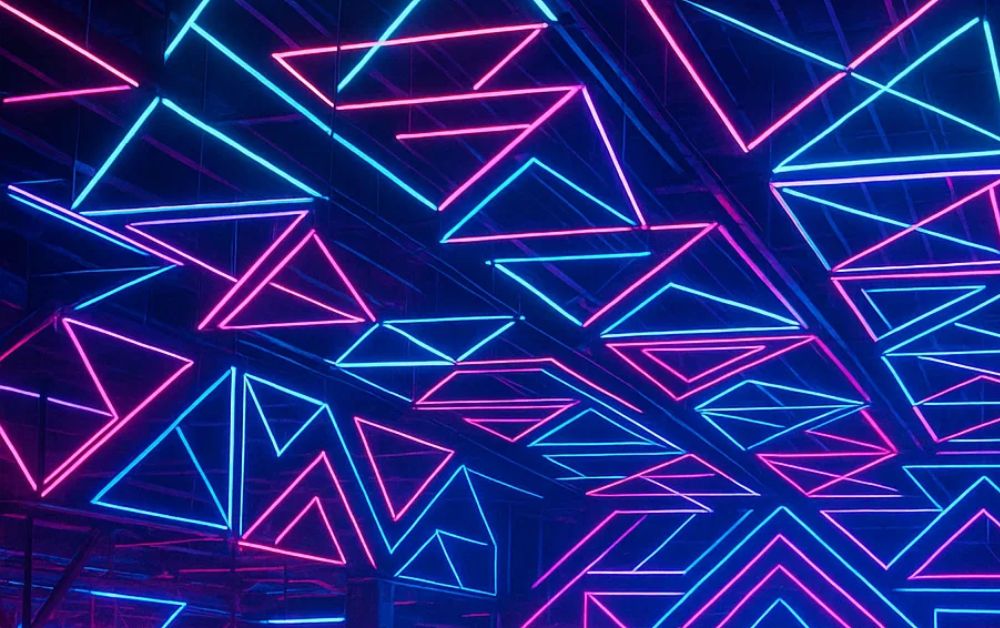
- Neon signage or LED walls.
- Creative light installations or ceiling projections.
- Well-lit photo zones or mirrored areas.
This not only enhances guest experience but also acts as free marketing for your club.
Flexibility for Different Events
Clubs often host theme nights, private events, or live performances. A versatile lighting system allows quick adaptations to fit the occasion.
Examples of lighting flexibility:
- RGB fixtures that change colors on demand.
- DMX systems for pre-programmed sequences.
- Moving head lights and lasers for live music.
Investing in adaptive lighting allows the venue to serve multiple audiences without major redesigns.
In Conclusion: Light Your Club, Shape the Experience
Lighting isn’t just decoration—it’s a key ingredient in shaping how guests feel, move, and remember a club. When thoughtfully designed, club lighting sets the rhythm, enhances the music, invites social interaction, and defines your brand’s visual identity.
For expertly designed lighting solutions that elevate your venue’s mood and performance, trust Star Facade Lighting—the specialists in dynamic lighting that transforms nightlife into unforgettable experiences.

Recent Comments