
Comparing LED Facade Lights vs Traditional Exterior Lighting
- admin
- LED Lighting
- 0 Comments
When exterior building lighting comes into consideration, the selection of lighting can significantly impact not only the looks but also the functionality, efficiency, and maintenance expenses. Nowadays, two big players rule the market: LED facade lights and traditional exterior lighting. Whether you create a modern architectural landmark or restore a traditional edifice, understanding the differences between the two will allow you to make an informed decision. In this blog article, we take a detailed comparison of LED facade lights and traditional exterior lights into consideration, looking at aspects such as energy efficiency, durability, design flexibility, cost-effectiveness, and environmental impact.
What Are LED Facade Lights?
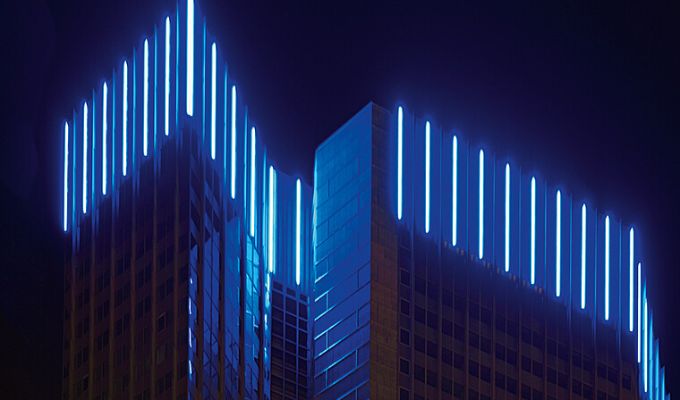
LED facade lighting is a new generation of light used to illuminate building facades with Light Emitting Diodes (LEDs). These are specifically made to highlight architectural features, provide better lighting at night, and provide a general visual appeal to buildings. LED technology is rated as highly efficient, durable, and versatile. Led building facade lighting is now extensively used in commercial high-rise buildings, hotels, shopping complexes, and even residential structures.
What Is Traditional Exterior Lighting?
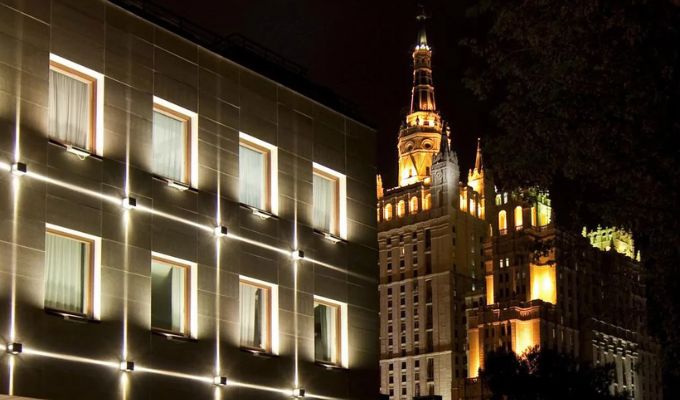
Traditional Exterior Lighting includes technologies such as halogen, metal halide, sodium vapor, and incandescent bulbs. Though these lighting technologies have served architectural and safety requirements for generations, they consume more power and require more frequent servicing. These lights tend to emit heat and are also limiting in terms of color output and design versatility.
1. Energy Efficiency
The most significant distinction between LED facade lights and traditional lighting may be energy consumption. LEDs consume significantly less energy than conventional lighting.
- LED Facade Lights: Consume up to 80% less power than traditional lights. It results in lower electricity bills and less carbon output.
- Traditional Exterior Lighting: Halogen and incandescent lighting are energy guzzlers. Even metal halide and sodium vapor lamps, although somewhat better, are still light-years behind LEDs in terms of efficiency.
Verdict: LED facade lights are the absolute winners in terms of energy efficiency.
2. Longevity and Toughness
Longevity is a second equally important factor, especially in outdoor exposure, where lighting has to withstand weather conditions like rain, dust, and temperature fluctuations.
- LED Facade Lights: Offer a lifespan of 50,000 hours or more. They resist shock, vibration, and external impacts, making them ideal for harsh conditions.
- Old-Timer Exterior Lighting: Normally lasts between 1,000 to 15,000 hours, depending on the device. These lights deteriorate faster under extreme weather conditions and typically require protective covers.
Conclusion: LEDs endure much longer than old-time lighting by several years, requiring less replacement and maintenance.
3. Aesthetics and Flexibility of Design
Lighting is not simply an issue of seeing—visibility—it’s also an aesthetic concern, especially in commercial development and landmarks.
- LED Facade Lights: Provide the ultimate design flexibility. With the ability to present multiple colors and beam angles, LEDs can be designed to change color, flash, dim, or cycle through a given pattern. Led building facade illumination can dramatically transform a building facade.
- Classic Exterior Lighting: Limited in color selection and design options. Creating dynamic lighting effects using conventional lights is usually complex and expensive.
Verdict: LED facade lights offer unrestricted creative freedom.
4. Maintenance and Running Expenses
Though the initial expense of LED lighting is higher, the costs repeatedly contradict this.
- LED Facade Lights: Minimal maintenance from their long operating life and solid-state construction. Their energy efficiency also reduces electricity bills.
- Traditional Exterior Lighting: Frequent replacements, cleaning, and servicing are the order of the day. Fixtures that are out of reach or high-mounted add to labor costs.
Verdict: LEDs are more cost-effective in the long run, although they cost more to purchase upfront.
5. Environmental Impact
Sustainability is becoming a significant consideration for building and redevelopment works.
- LED Facade Lights: Non-toxic, environmentally friendly, and fully recyclable. With less energy needed, there is also less carbon footprint.
- Traditional Exterior Lighting: Some, such as fluorescent and sodium vapor lights, contain mercury and other toxins. They also create more waste, and their lifespans are shorter.
Conclusion: LED lighting is the more environmentally friendly, sustainable option.
6. Safety and Heat Emission
Safety is also a consideration, especially in public places.
- LED Facade Lights: Operate at a much lower temperature, with little chance of burning or causing a fire. The absence of destructive UV rays also protects building surfaces and greenery.
- Old Exterior Lighting: Emitted a large amount of heat, which becomes a safety hazard in addition to possibly damaging the surrounding materials over the years.
Conclusion: LEDs are safer and more protective of their surroundings.
7. Smart Control and Integration
Smart buildings are on the rise—and so is their lighting.
- LED Facade Lights: They can be a part of intelligent systems for remote control, automation, and real-time modification. They support sensors and timers and even react to music or environmental conditions.
- Traditional Exterior Lighting: No possibilities of smart integration. The incorporation of automation capabilities feels off and typically expensive.
Verdict: LED lighting is seamlessly integrated into the smart building infrastructure.
Conclusion
When LED facade lights are compared with traditional exterior lighting, one can readily observe that LED lights surpass traditional ones in nearly every dimension. From energy saving and durability to ease of design and environmental friendliness, LEDs offer a sophisticated, economical, and green method of illuminating building facades.
For designers, architects, and building owners seeking to achieve the ultimate aesthetics without sacrificing function and efficiency, led building facade lighting presents the unbeatable solution. Traditional light will still have its place in some specialty applications, but in the future of exterior building lighting, LEDs will be the way to go.

Recent Comments